Apartment Solar Panel: The Complete Guide for Renters and Small Spaces
Living in an apartment doesn’t mean you have to miss out on solar energy. While rooftop solar systems are typically reserved for homeowners, a growing range of apartment solar panel solutions now make it possible for renters and condo dwellers to generate clean electricity, lower utility bills, and reduce their carbon footprint — no roof required.
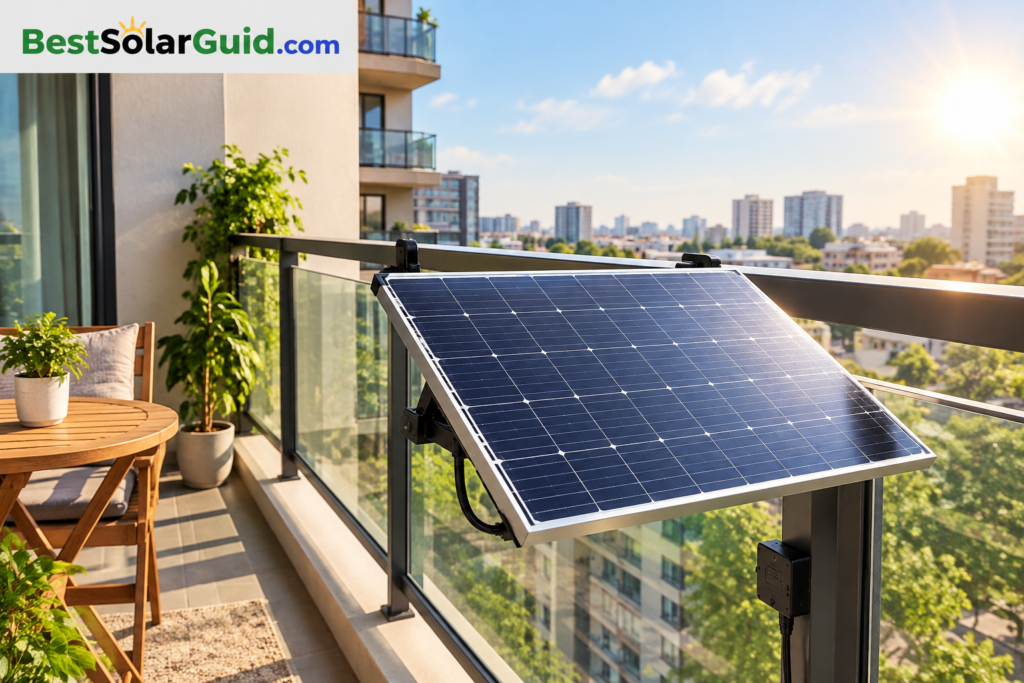
This guide covers every practical way to bring solar power into an apartment, from portable panels and balcony solar kits to community solar programs, along with the pros, cons, costs, and legal considerations you need to know before you buy.
Table of Contents
- Why Consider Solar Power in an Apartment
- Types of Apartment Solar Panel Solutions
- Portable Solar Panels
- Balcony Solar Systems (Plug-In Solar)
- Solar Window Panels and Films
- Community Solar Programs
- How Much Do Apartment Solar Panels Cost
- How Much Energy Can You Actually Generate
- Legal and Lease Considerations
- Checking Your Lease Agreement
- HOA and Building Restrictions
- Local Electrical Codes
- Choosing the Right Apartment Solar Setup
- Assessing Your Sunlight Access
- Matching Panels to Your Energy Needs
- Installation Tips for Renters
- Pros and Cons of Apartment Solar Panels
- Frequently Asked Questions
- Final Thoughts
Why Consider Solar Power in an Apartment
Rising electricity rates and growing interest in sustainable living have pushed many renters to look for solar alternatives that don’t require owning a roof. An apartment solar panel setup can help you:
- Lower monthly electricity costs by offsetting grid usage
- Reduce dependence on fossil-fuel-generated power
- Gain backup power for essential devices during outages
- Take a meaningful step toward a smaller carbon footprint, even in rented housing
Unlike traditional rooftop installations, apartment-friendly solar solutions are designed to be portable, temporary, and lease-safe — meaning you can take them with you when you move.
Types of Apartment Solar Panel Solutions
There isn’t a one-size-fits-all apartment solar panel. The right choice depends on your balcony or patio space, sunlight exposure, and how much energy you want to generate. If you’re unfamiliar with how solar setups differ in general, our guide to on-grid vs off-grid solar systems is a useful starting point before choosing between the options below.
Portable Solar Panels
Portable solar panels are foldable or briefcase-style units that can be placed on a balcony, windowsill, or even outside on a patio table. They typically connect to a portable power station or battery bank rather than your home’s electrical panel.
Best for: Charging small electronics, emergency backup power, and renters who want a no-installation option.
If you want to see specific models suited to small spaces, check out our picks for the best portable solar panels for camping — many of the same lightweight, foldable designs work just as well on an apartment balcony.
For setups that include battery storage, our off-grid solar inverter guide explains how to convert stored battery power into usable household electricity.
Balcony Solar Systems (Plug-In Solar)
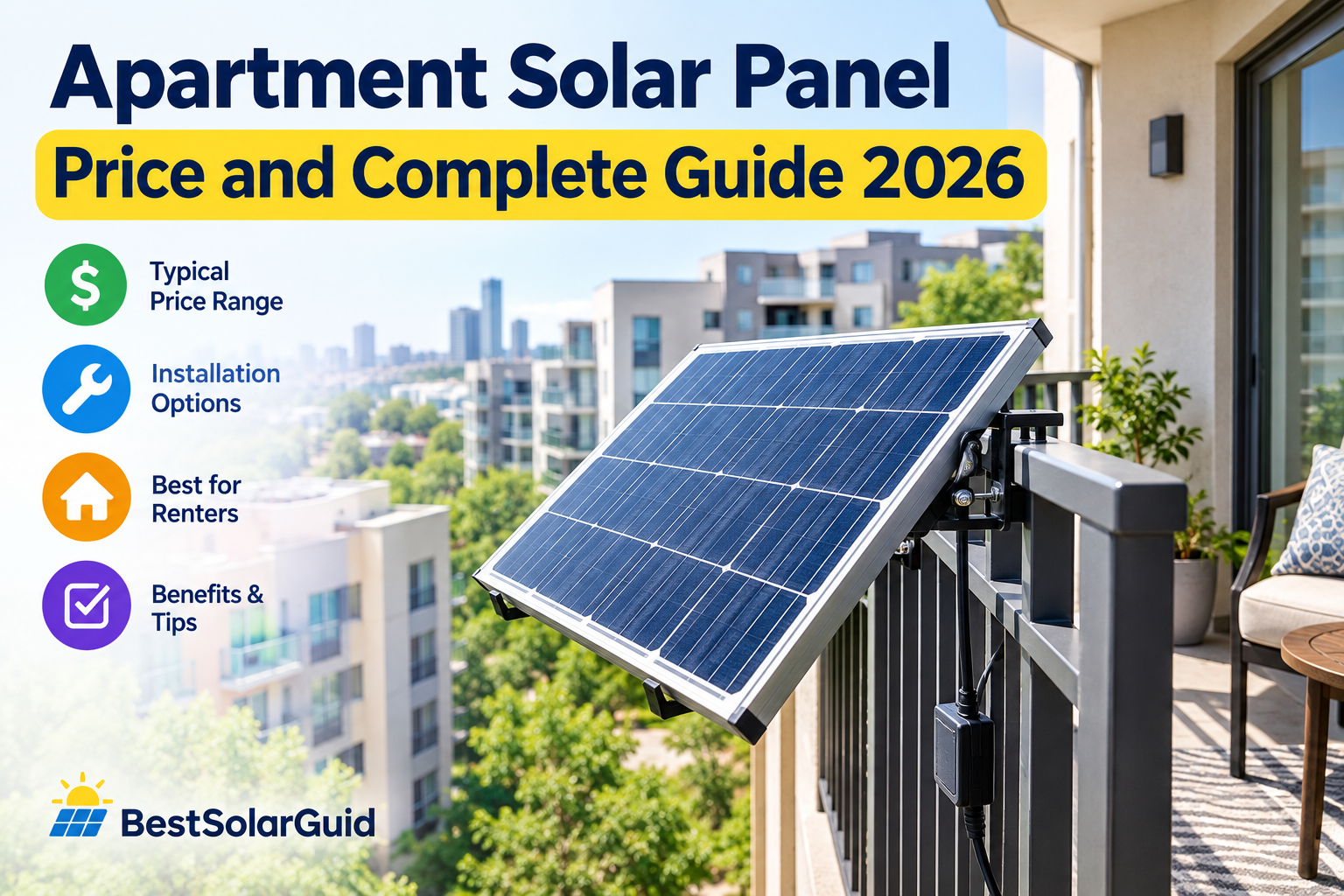
Also known as “plug-in solar” or “balcony power plants,” these systems have become increasingly popular in Europe and are gaining traction elsewhere. A small solar panel (or two) mounts to a balcony railing and connects directly to a standard wall outlet through a microinverter, feeding solar energy straight into your apartment’s electrical circuit. If you’re not familiar with how this component works, our solar panel microinverter guide breaks down its role in converting panel output into usable AC power.
Best for: Renters with south-facing balconies who want to directly offset appliance and lighting usage.
Because these systems sync directly with your home’s existing electrical supply, it also helps to understand how a grid-tie solar inverter works before choosing a kit.
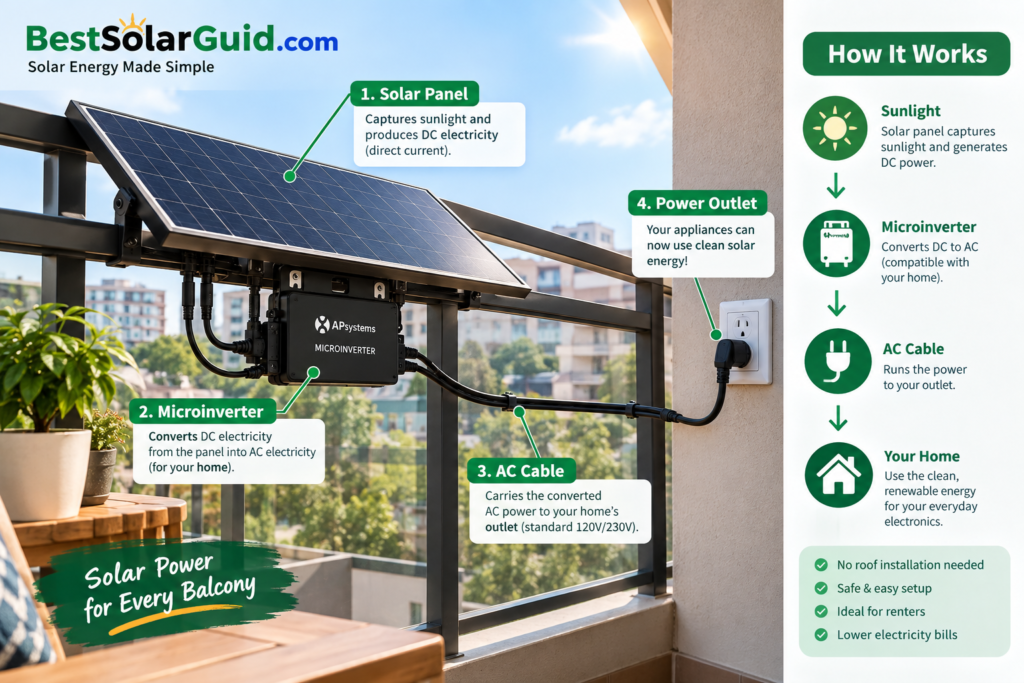
Most plug-in balcony kits use one to three lightweight panels and typically range from 400–800 watts — generally enough to cover a portion of always-on loads like a Wi-Fi router or standby electronics, rather than an entire apartment’s usage. (Source: Solar.com)
Because these systems connect to your building’s wiring, always confirm local rules first (see the Legal and Lease Considerations section below). (Source: Kiplinger)
Solar Window Panels and Films
Emerging transparent and semi-transparent solar technologies can be applied to windows to capture sunlight without blocking the view. While efficiency is currently lower than traditional panels, this option is worth watching as the technology matures.
Best for: Apartments with large window surfaces and no outdoor space at all.
Community Solar Programs
If physical panels aren’t feasible, community solar lets you subscribe to a shared solar farm and receive credits on your electric bill based on the energy it produces — without installing anything at your unit. The U.S. Department of Energy defines it as any solar project whose benefits flow to multiple subscribers rather than a single property owner. (Source: U.S. Department of Energy)
Best for: Renters in apartments with no balcony, poor sun exposure, or strict building rules.
How Much Do Apartment Solar Panels Cost
Costs vary significantly by solution type:
| Solar Option | Typical Cost Range | Ongoing Costs |
|---|---|---|
| Portable solar panel + power station | $200–$1,500 | None |
| Balcony/plug-in solar kit | $400–$1,200 | None |
| Solar window film | Varies by provider | None |
| Community solar subscription | $0 upfront (often) | Monthly subscription fee, offset by bill credits |
Because apartment solar setups are smaller in scale than rooftop systems, the upfront investment is far lower — though total energy generation is also more limited.
How Much Energy Can You Actually Generate
A single balcony or portable panel typically produces a modest fraction of a full apartment’s electricity needs — often enough to meaningfully reduce, but not eliminate, your grid usage. Actual output depends on:
- Panel wattage and efficiency
- Number of peak sunlight hours your balcony receives daily
- Panel orientation and any shading from nearby buildings
- Seasonal changes in sunlight
Setting realistic expectations is key: apartment solar is best viewed as a bill-reduction tool, not a full energy replacement. If your balcony system ever exports more power than you use, it’s worth understanding what net metering is and whether your utility supports it, since this affects how any surplus energy is credited back to you.
Legal and Lease Considerations
Checking Your Lease Agreement
Before purchasing any solar equipment, review your lease for clauses about exterior modifications, drilling into balcony railings, or attaching equipment to shared structures. Many renter-friendly solar kits are designed specifically to avoid drilling or permanent changes. As a general rule, tell your landlord what you plan to install and where, and confirm that liability for any damage is clearly addressed in your lease. (Source: Solar United Neighbors)
HOA and Building Restrictions
Condo associations and apartment complexes may have specific rules — or outright bans — on visible balcony equipment. Always get written approval from property management or your HOA before installation.
Local Electrical Codes
Plug-in balcony solar systems are more heavily regulated in some regions than others. Check whether your local utility or electrical code permits directly connecting solar output to a standard outlet, as rules differ by country and, in some cases, by state or city.
Choosing the Right Apartment Solar Setup
Assessing Your Sunlight Access
Start by observing your balcony or window’s sun exposure across a full day. South-facing (in the Northern Hemisphere) spaces with minimal shading from neighboring buildings will produce the best results.
Matching Panels to Your Energy Needs
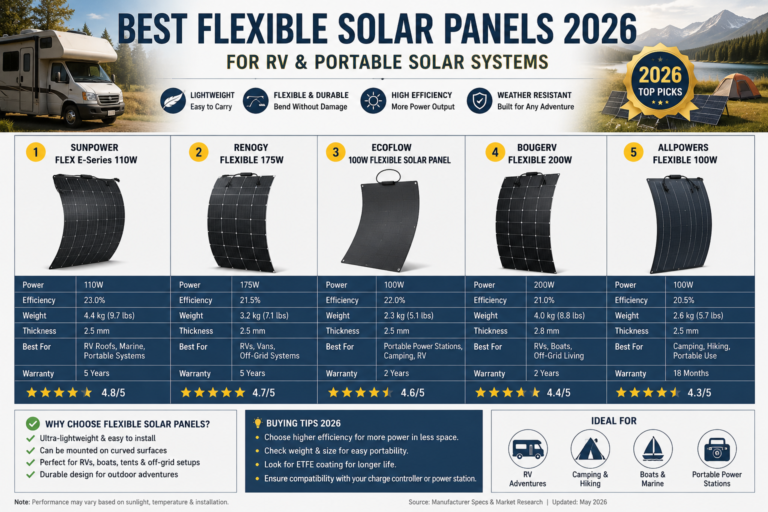
Decide what you want the system to power — a few small devices, a mini-fridge, or a portion of your general household load — and choose panel wattage and battery capacity accordingly rather than buying the biggest kit available. If your balcony has an irregular railing or curved surface, our guide to best flexible solar panels covers lightweight, bendable options that mount more easily than rigid glass panels.
Installation Tips for Renters
- Use railing-mount brackets or freestanding stands instead of drilling
- Position panels so they don’t obstruct emergency exits or building sightlines
- Use weatherproof cable covers to keep wiring tidy and safe
- Consider a good solar battery or power station to store excess energy for evening use
- Remove and store panels during severe weather
- Timing matters too — see when the best time to install solar panels is if you want to plan around seasonal sunlight before setting up your system
Pros and Cons of Apartment Solar Panels
Pros:
- Low upfront cost compared to rooftop systems
- Portable — moves with you between apartments
- No permanent structural changes required
- Can reduce monthly electricity bills
Cons:
- Lower total energy output than rooftop solar
- Subject to lease, HOA, and local code restrictions
- Performance depends heavily on balcony sun exposure
- Some balcony solar systems face regulatory limits in certain areas
Frequently Asked Questions
Can renters legally install solar panels on a balcony?
It depends on your lease, HOA rules, and local electrical codes. Many jurisdictions allow non-permanent, plug-in balcony solar, but always confirm before purchasing.
Do apartment solar panels actually save money?
Yes, though the savings are proportional to system size. A small balcony setup will offset a portion of your usage rather than eliminate your bill entirely.
What’s the easiest apartment solar option with no installation?
A portable solar panel paired with a power station is the simplest option, requiring no wiring, drilling, or landlord approval in most cases.
Is community solar a good alternative to physical panels?
Yes — community solar is ideal for renters who can’t install any equipment but still want to support and benefit from solar energy.
Final Thoughts
An apartment solar panel setup makes clean energy accessible even without a rooftop of your own. Whether you choose a portable panel, a balcony plug-in system, or a community solar subscription, the key is matching the solution to your space, sunlight, and lease restrictions. As renter-friendly solar technology continues to improve, apartment dwellers have more options than ever to reduce their energy bills and environmental impact.