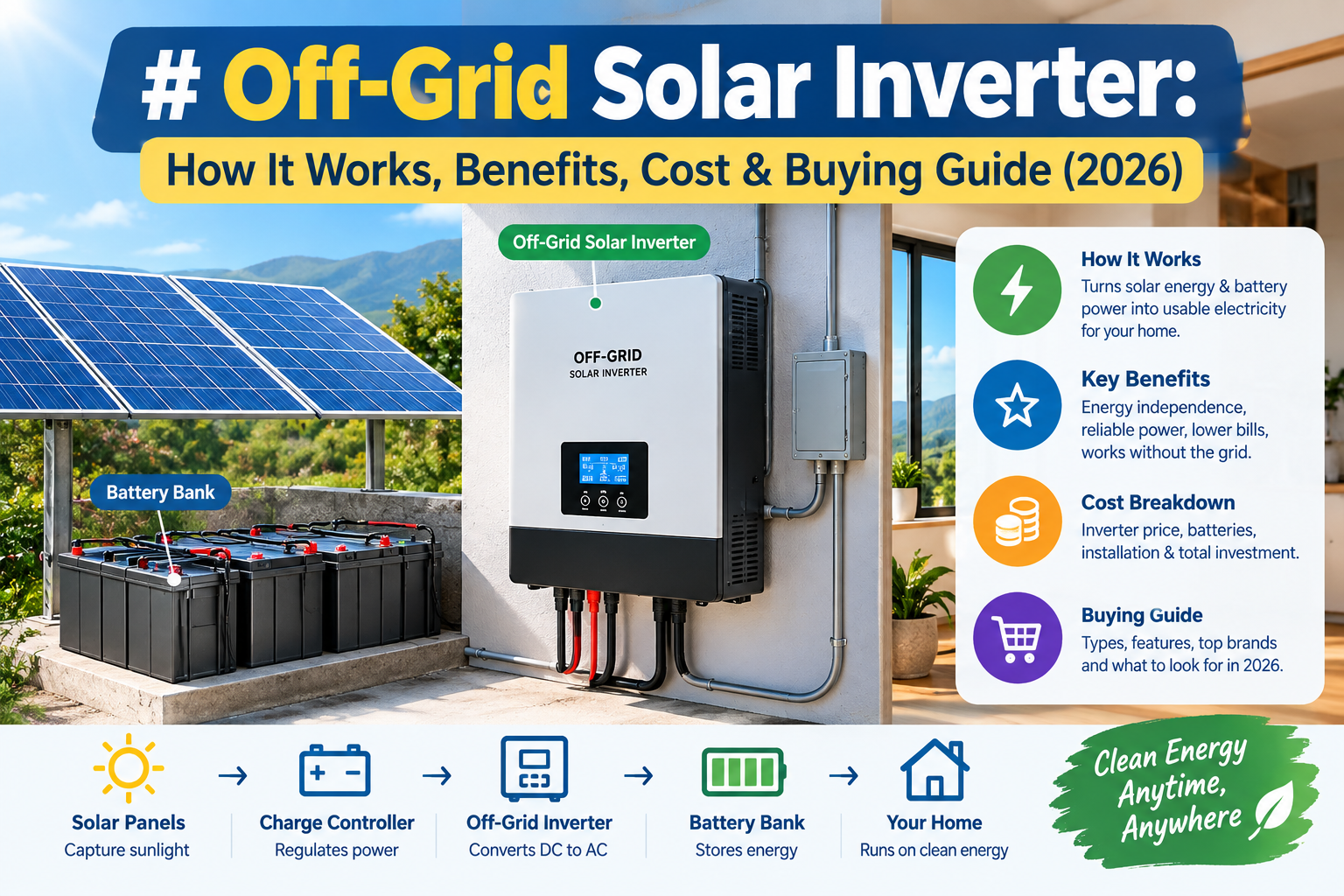
Off-Grid Solar Inverter: How It Works, Benefits, Cost & Buying Guide (2026)
Introduction
Imagine living in a place where power outages are common or where there is no electricity grid at all. An off-grid solar inverter makes it possible to generate and use electricity completely independent of the utility grid.
Whether you own a remote cabin, a farmhouse, an RV, or simply want energy independence, an off-grid solar inverter is one of the most important parts of your solar power system.
In this beginner-friendly guide, you’ll learn what an off-grid solar inverter is, how it works, its advantages and disadvantages, installation process, cost, and whether it’s the right investment for your home.
Table of Contents
- What Is an Off-Grid Solar Inverter?
- How Does an Off-Grid Solar Inverter Work?
- Main Components
- Advantages
- Disadvantages
- Off-Grid vs Grid-Tied Inverter
- Installation Process
- Cost
- Maintenance
- Buying Guide
- FAQs
- Final thoughts
What Is an Off-Grid Solar Inverter?
An off-grid solar inverter is a device that converts the DC electricity produced by solar panels and stored in batteries into AC electricity used by household appliances.
Unlike a grid-tied inverter, an off-grid inverter does not connect to the utility grid. Instead, it works together with solar panels, batteries, and sometimes a backup generator to provide electricity day and night.
If you’re still deciding between different solar system types, read our detailed guide on On-Grid vs Off-Grid Solar System: Which One Is Better in 2026? to understand which option best suits your energy needs.
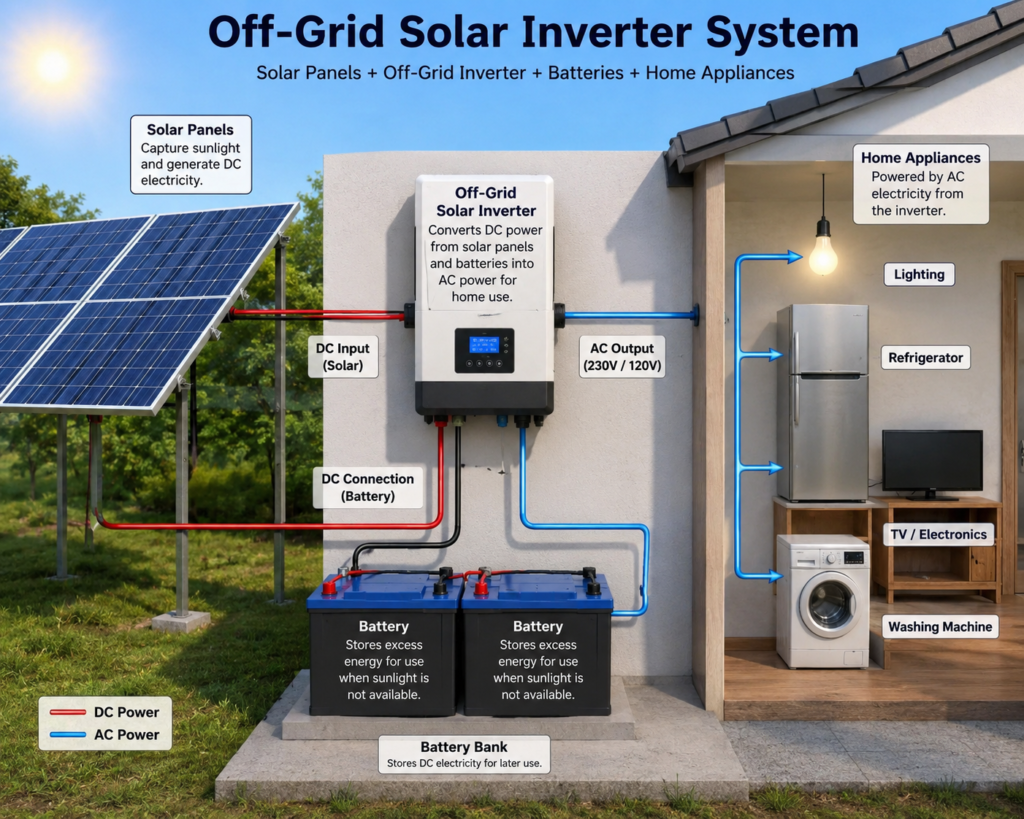
How Does an Off-Grid Solar Inverter Work?
The process is simple.
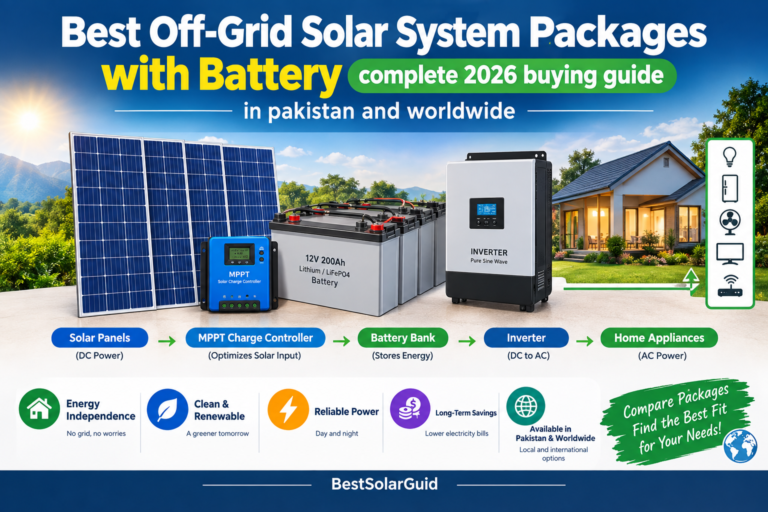
- Solar panels capture sunlight.
- The panels generate DC electricity.
- Batteries store the energy.
- The off-grid inverter converts DC into AC.
- Household appliances use the electricity.
When the sun isn’t shining, your home continues using the energy stored in the batteries.
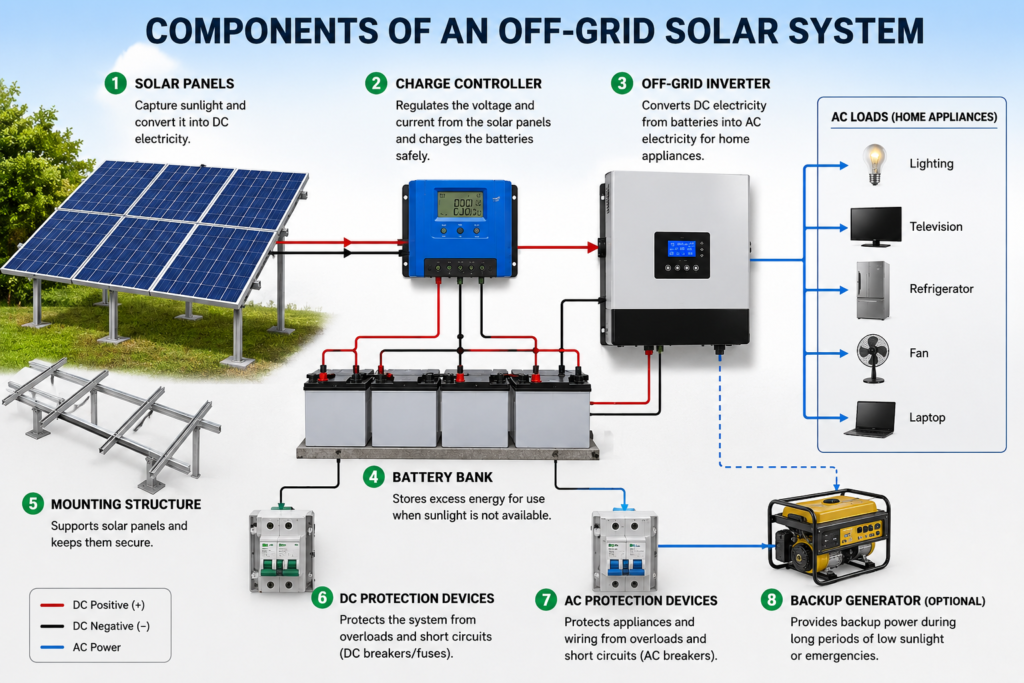
Main Components of an Off-Grid Solar System
An off-grid system usually includes:
- Solar panels
- Off-grid solar inverter
- Battery bank
- Charge controller
- Mounting structure
- Electrical wiring
- Safety breakers
- Backup generator (optional)
Each component works together to provide reliable electricity without depending on the utility grid.
Advantages of an Off-Grid Solar Inverter
Complete Energy Independence
You don’t rely on the electricity company.
Works During Blackouts
Your home continues receiving electricity even when the grid fails.
Perfect for Remote Areas
Ideal for villages, farms, cabins, and mountain homes.
Lower Long-Term Electricity Bills
After installation, sunlight is free.
Environment Friendly
Produces clean renewable energy with lower carbon emissions.
Disadvantages
Although off-grid systems have many benefits, they also have limitations.
- System size must be carefully planned
- Higher initial installation cost
- Battery replacement every several years
- Requires proper maintenance
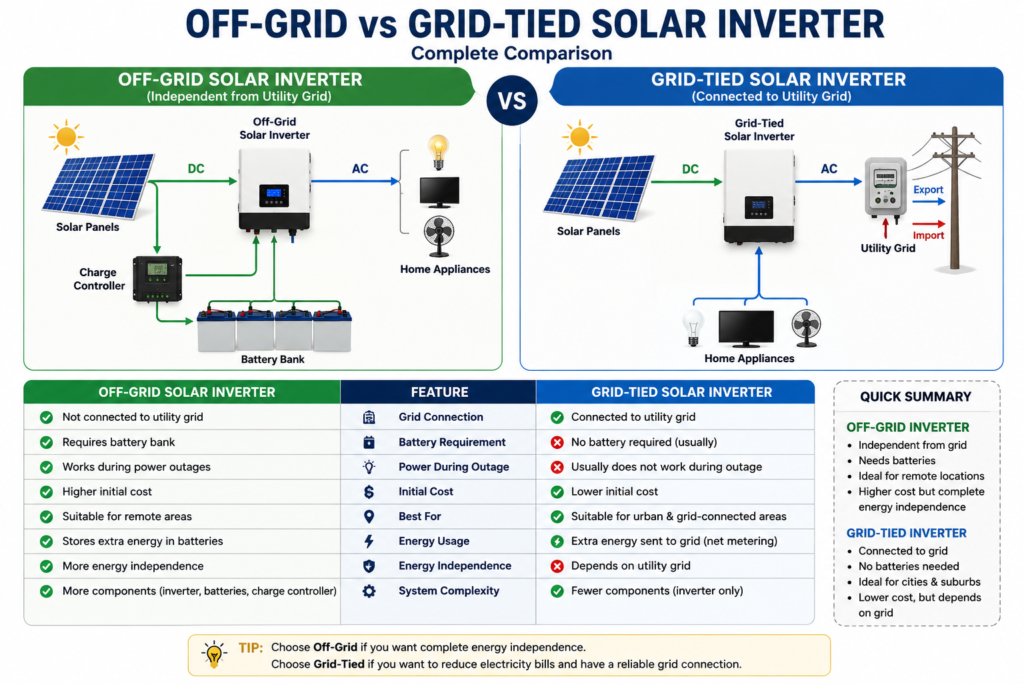
Off-Grid Solar Inverter vs Grid-Tied Inverter
| Feature | Off-Grid Inverter | Grid-Tied Inverter |
| Battery Required | Yes | Usually No |
| Grid Connection | No | Yes |
| Works During Blackouts | Yes | Usually No |
| Best For | Remote locations | Cities and suburbs |
| Initial Cost | Higher | Lower |
Want to learn more about grid-connected systems? Check out our complete guide on What Is a Grid-Tie Solar Inverter? to understand how it works and how it compares with an off-grid inverter.
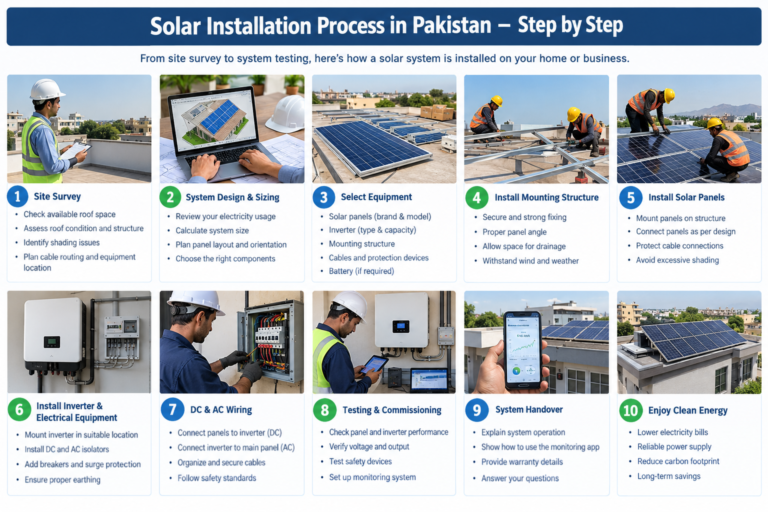
Installation Process
Installing an off-grid solar inverter generally involves these steps:
- Assess your energy needs.
- Choose the correct inverter size.
- Install solar panels.
- Connect the battery bank.
- Install the inverter.
- Wire the electrical system.
- Test the complete setup.
Professional installation is recommended for safety and optimal performance.
How Much Does an Off-Grid Solar Inverter Cost?
The total cost depends on:
- Inverter capacity
- Battery size
- Solar panel capacity
- Brand
- Installation charges
- Country or region
Although the upfront investment can be significant, many homeowners recover the cost over time through reduced electricity expenses.
Tips for Choosing the Best Off-Grid Solar Inverter
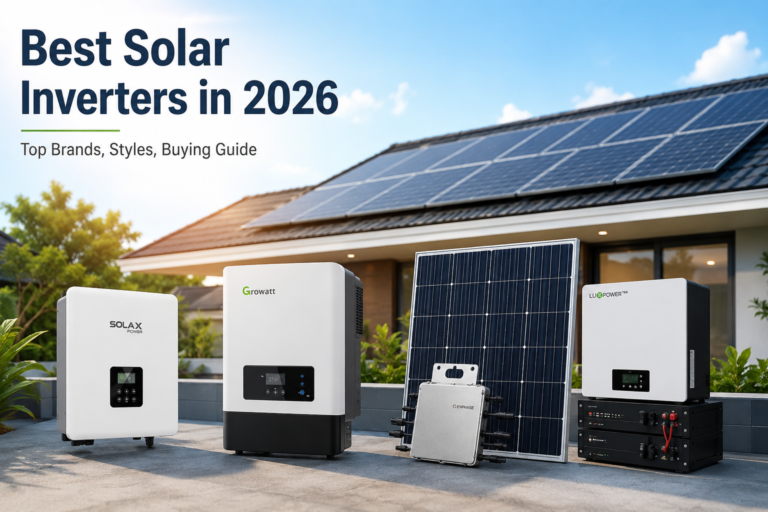
✔ Choose a trusted brand.
✔ Match inverter capacity with your energy needs.
✔ Look for high efficiency (95% or higher).
✔ Ensure battery compatibility.
✔ Check warranty and customer support.
✔ Consider future expansion.
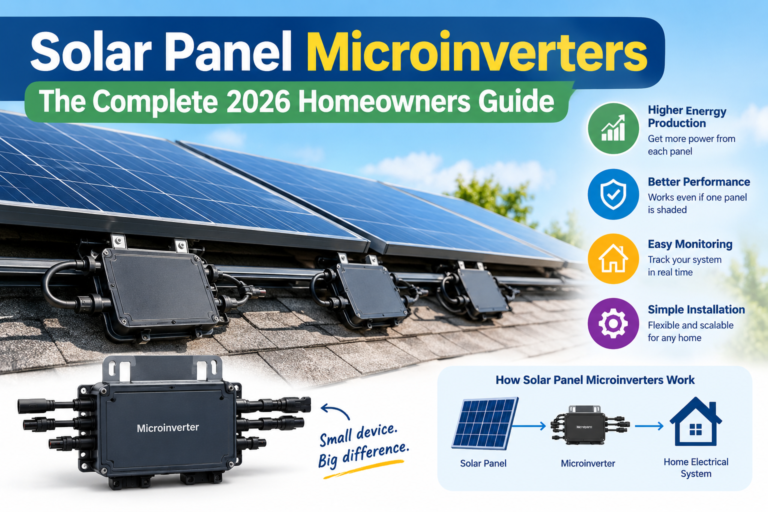
If you’re comparing different inverter technologies, don’t miss our guide on Solar Panel Micro Inverters, where we explain how microinverters differ from traditional off-grid and string inverters.
Maintenance Tips
- Schedule annual inspections.
- Clean solar panels regularly.
- Inspect wiring periodically.
- Monitor battery health.
- Keep the inverter dry and well-ventilated.
Conclusion
An off-grid solar inverter is the heart of an independent solar power system. It allows you to generate, store, and use clean electricity without relying on the utility grid. While the initial investment is higher due to batteries and additional equipment, the benefits of energy independence, reliability during outages, and long-term savings make it an excellent choice for many homeowners and remote properties.
Choosing the right inverter size, using quality components, and ensuring professional installation will help your off-grid solar system perform efficiently for years to come.
If you’re looking for a more affordable solar solution, you may also like our guide on Home Solar System Without Battery, which explains how battery-free systems work and whether they’re the right choice for your home.
What is an off-grid solar inverter?
An off-grid solar inverter converts DC electricity from solar panels and batteries into AC electricity for household appliances without connecting to the utility grid.
Do I need batteries?
Yes. Batteries are an essential part of most off-grid solar systems because they store electricity for use when sunlight is unavailable.
Can an off-grid inverter run an entire house?
Yes, if the inverter and battery bank are correctly sized according to your home’s energy consumption.
Is an off-grid system worth it?
For homes in remote locations or areas with frequent power outages, an off-grid system can provide reliable and independent electricity.
How long does an off-grid inverter last?
A quality off-grid inverter typically lasts 10–15 years with proper maintenance.